What is a Spiritual Retreat? An Encompassing Guide
In an increasingly fast-paced world, the concept of stepping back to reconnect with oneself has gained significant traction. Among the various avenues for personal rejuvenation, the spiritual retreat stands out as a distinct and profound experience. But what exactly is a spiritual retreat, and how does it differ from a conventional holiday? This guide aims to demystify the spiritual retreat experience, outlining its core principles, what participants can anticipate, and its unique contribution to personal growth and inner peace.
Defining the Spiritual Retreat
At its heart, a spiritual retreat is a period of intentional withdrawal from one's normal daily routine and environment, dedicated to introspection, reflection, and spiritual development. It is not necessarily tied to a specific religious doctrine, although many retreats are indeed offered within particular faith traditions. Instead, the term 'spiritual' in this context often refers to a connection with one's inner self, a search for meaning, purpose, and a deeper understanding of one's place in the world. The primary objective is to foster a sense of inner calm, clarity, and renewal, allowing individuals to address personal challenges, cultivate mindfulness, and explore their values.
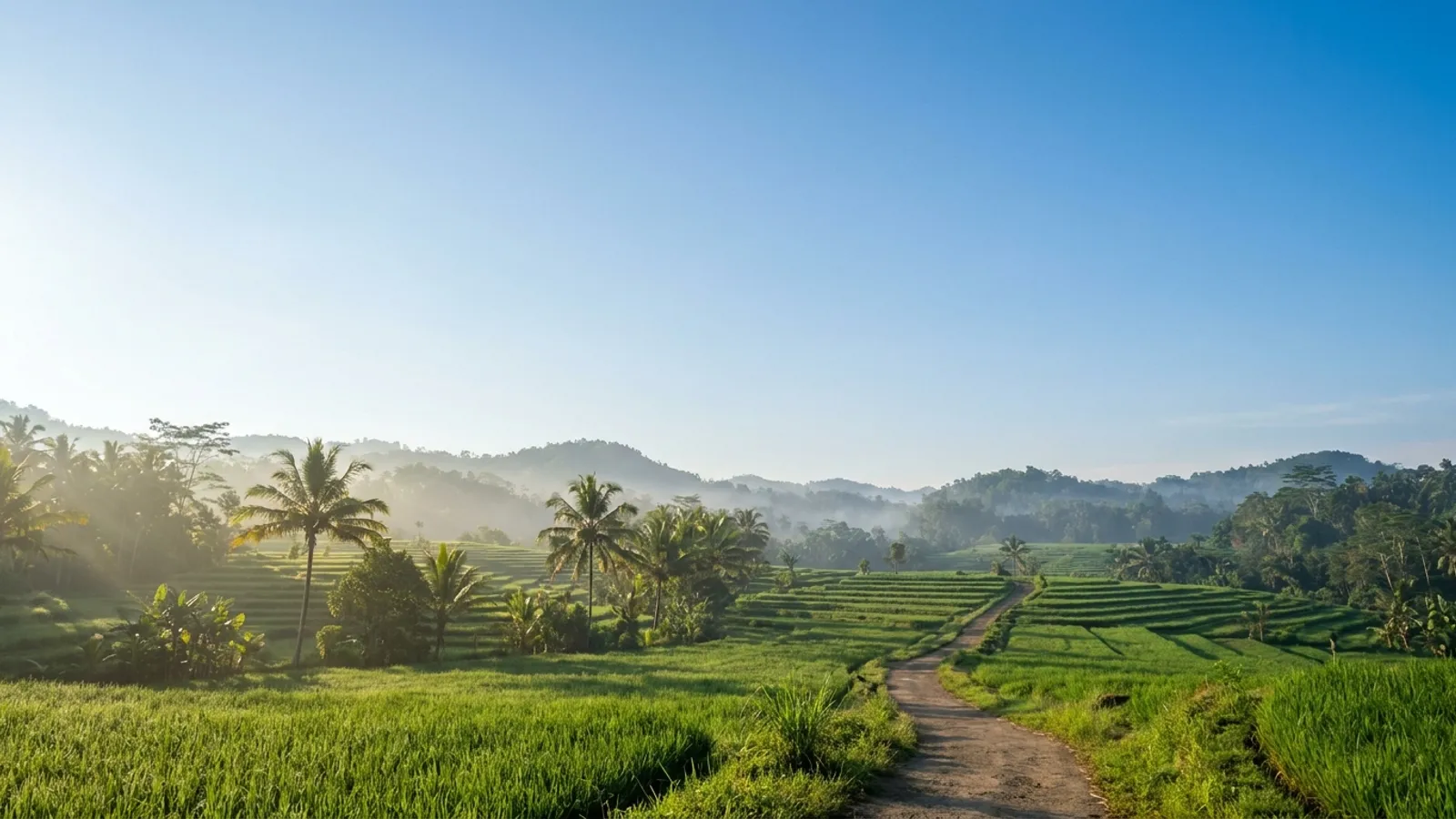
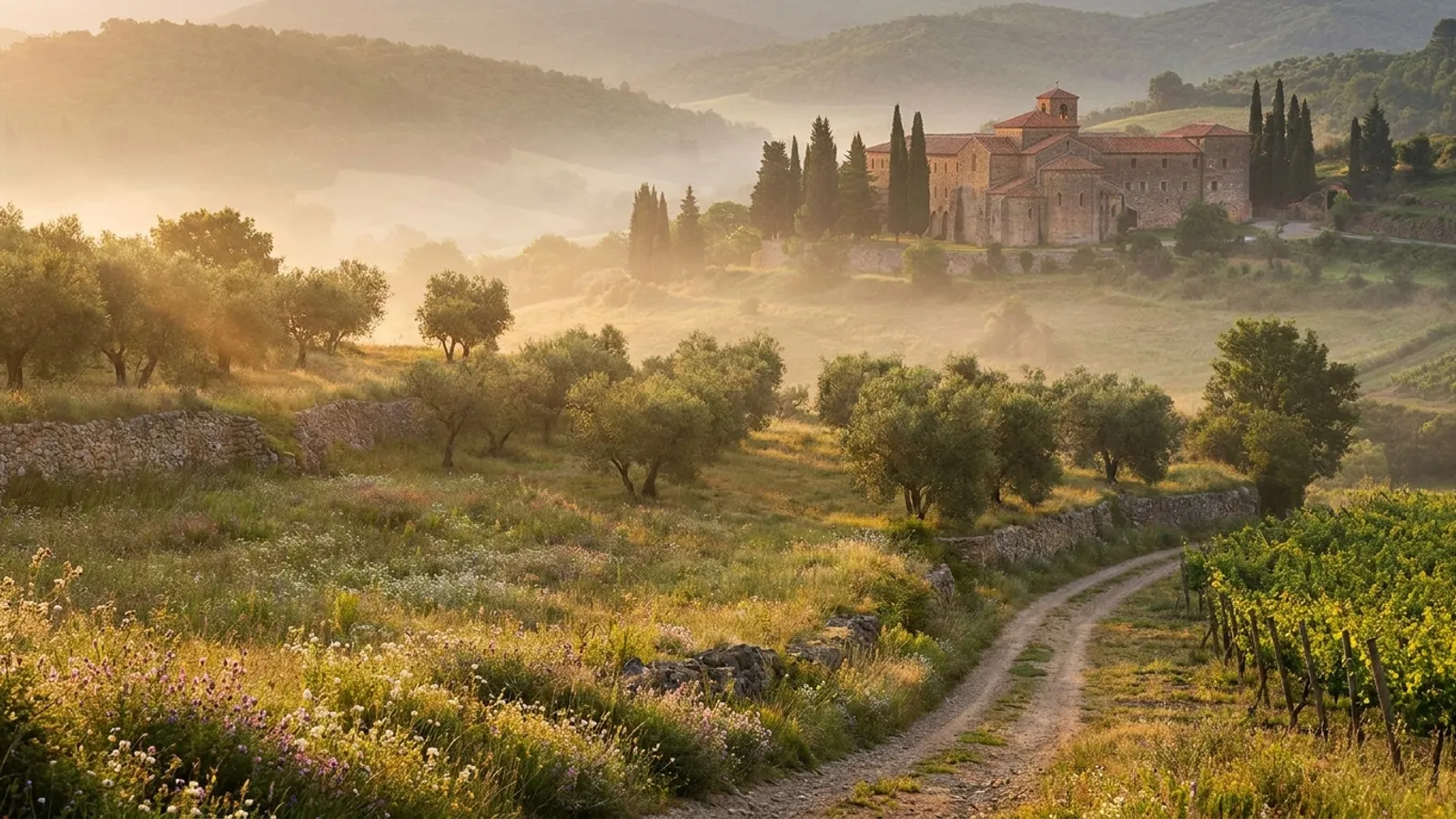
Unlike a holiday, which typically focuses on external pleasures, sightseeing, or simply 'getting away from it all,' a spiritual retreat encourages an inward journey. It provides a structured yet flexible environment designed to support this process, often away from the distractions of technology, work, and social obligations. The setting is usually chosen for its peaceful atmosphere, whether it be a secluded countryside location, a mountain hideaway, or a dedicated retreat centre. The absence of everyday demands creates space for participants to engage in practices that facilitate self-discovery and inner healing.
What to Expect from the Experience
While the specifics of a spiritual retreat can vary widely depending on its focus and the facilitators involved, there are several common elements participants can generally expect:
- Structured Schedule: Most retreats follow a daily schedule that includes periods of silence, meditation, yoga or gentle movement, group discussions, workshops, and opportunities for personal reflection. The structure is designed to create a rhythm that supports introspection and learning.
- Mindfulness Practices: Central to many retreats are practices that cultivate mindfulness, such as meditation, breathwork, and mindful walking. These techniques help participants to be present, observe their thoughts and emotions without judgment, and reduce stress.
- Shared Meals: Meals are often communal, sometimes taken in silence, to further enhance the contemplative atmosphere. The food provided is typically wholesome, nourishing, and often vegetarian, supporting a sense of well-being.
- Limited Distractions: Participants are usually encouraged to disconnect from electronic devices, including phones and laptops, to minimise external distractions and fully immerse themselves in the experience.
- Expert Guidance: Retreats are led by experienced facilitators who provide guidance, teach techniques, and hold a supportive space for participants. Their role is to offer tools and insights rather than dictating beliefs.
- Community and Solitude: While there are opportunities for group interaction and shared learning, ample time is also allocated for individual solitude and quiet contemplation, allowing for personal processing and integration.
The duration of a retreat can range from a single day to several weeks, with weekend or week-long retreats being particularly popular for those seeking a more immersive experience. For those considering a spiritual retreat in Madrid, there are various options available catering to different interests and traditions, which you can explore on our Madrid spiritual retreat guide.
Distinguishing from a Typical Vacation
The fundamental difference between a spiritual retreat and a typical vacation lies in their primary objectives and outcomes. A vacation is generally about leisure, relaxation, and escaping routines. It might involve sightseeing, adventure sports, or simply lounging by a pool. While vacations certainly offer a form of rejuvenation, they often do not delve into the deeper aspects of personal growth or address underlying stressors in a structured way.
A spiritual retreat, conversely, is an intentional journey of self-discovery and transformation. It is not about escaping reality but rather about confronting it with a newfound awareness. The 'work' involved in a retreat can be challenging, as it often requires participants to look inward, acknowledge vulnerabilities, and process emotions. However, this challenge is precisely what leads to profound personal breakthroughs and lasting change. The goal is not merely to feel refreshed but to return to daily life with greater clarity, resilience, and a deeper connection to one's authentic self.
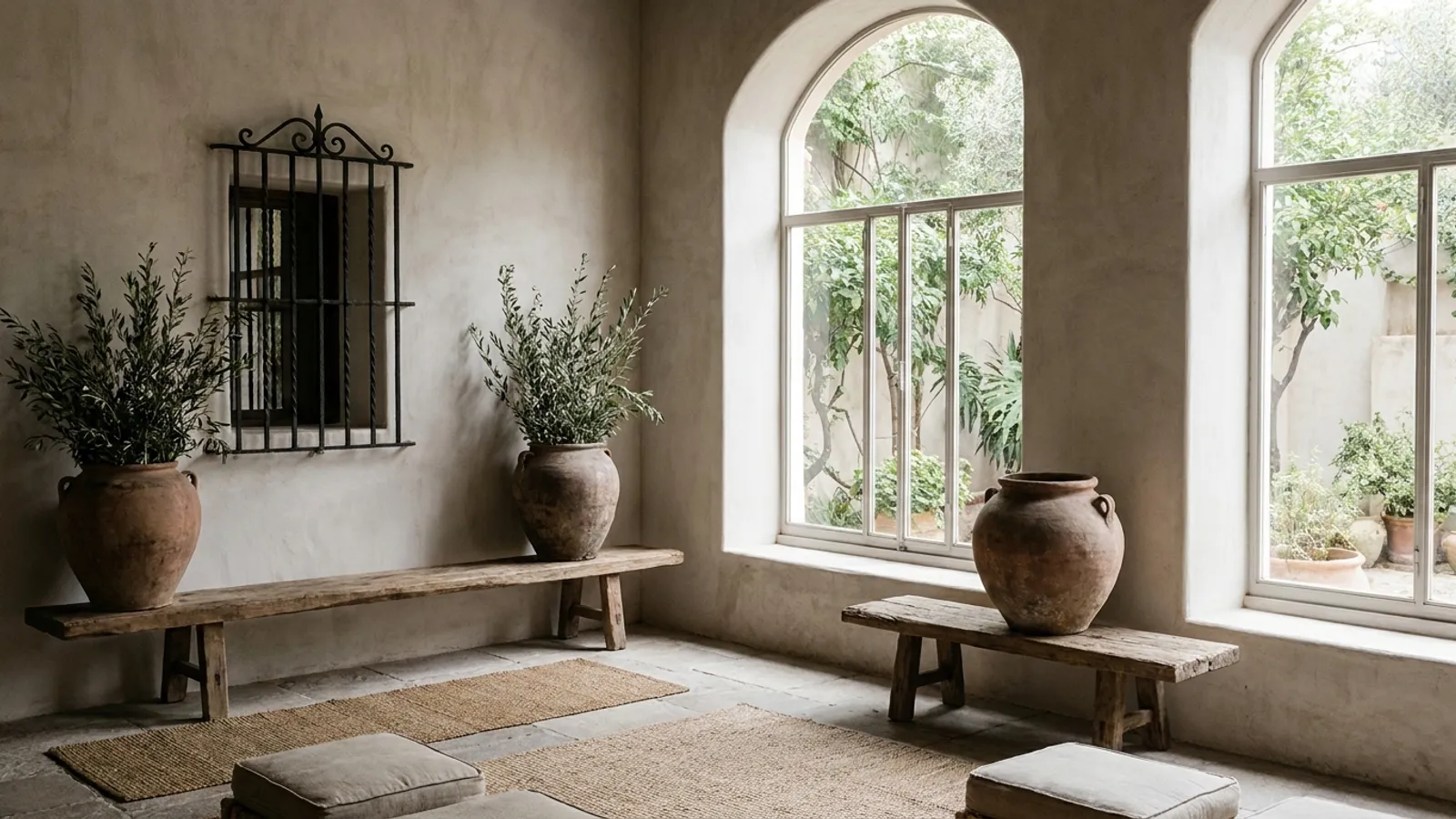
Moreover, the environment of a spiritual retreat is curated to support inner work. The emphasis is on simplicity, quietude, and practices that foster introspection, rather than external stimulation or entertainment. Participants often leave a spiritual retreat feeling not just rested, but also re-centred, with practical tools and insights to integrate into their everyday lives, fostering sustained well-being and inner peace. To find out more about how to choose the right experience for you, visit our homepage.
Focus on Personal Growth and Inner Peace
The core benefits of participating in a spiritual retreat revolve around personal growth and the cultivation of inner peace. In disconnecting from external pressures, individuals create space to:
- Gain Clarity: Retreats offer an opportunity to step back from life’s complexities and gain perspective on personal challenges, decisions, and future directions.
- Reduce Stress and Burnout: Through practices like meditation and mindfulness, participants learn to manage stress more effectively, leading to a significant reduction in anxiety and burnout symptoms.
- Cultivate Self-Awareness: The introspective nature of retreats encourages a deeper understanding of one's thoughts, emotions, and behavioural patterns, fostering greater self-awareness.
- Enhance Emotional Intelligence: By observing and processing emotions in a supportive environment, individuals can develop greater emotional resilience and empathy.
- Foster Creativity and Inspiration: The quiet and reflective atmosphere can unlock creativity and provide a fresh source of inspiration for various aspects of life.
- Connect with Purpose: Many find that retreats help them reconnect with their core values and life purpose, leading to a renewed sense of direction and meaning.
Ultimately, a spiritual retreat is an investment in oneself, offering a unique pathway to profound inner transformation. It is an invitation to pause, reflect, and cultivate a deeper, more peaceful relationship with oneself and the world.
The featured retreat
For those interested in exploring these profound experiences, our platform offers a curated selection of spiritual retreats in Madrid, designed to support your journey towards personal growth and inner peace. Explore options and find the perfect retreat for you by visiting our homepage.